US tariffs and India's trade
US tariffs on India GD topic, protectionism versus globalisation: the 2025 and 2026 timeline, what the Supreme Court changed, India's export data, and points for protectionism and open trade.
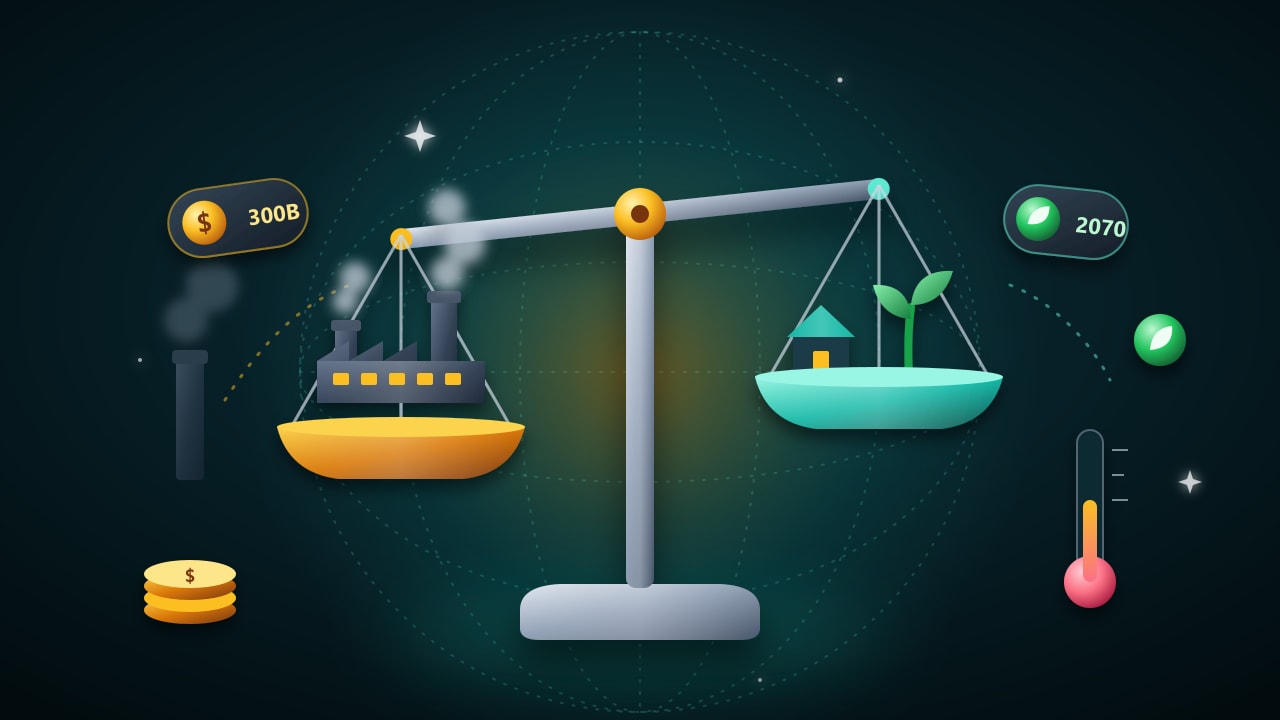
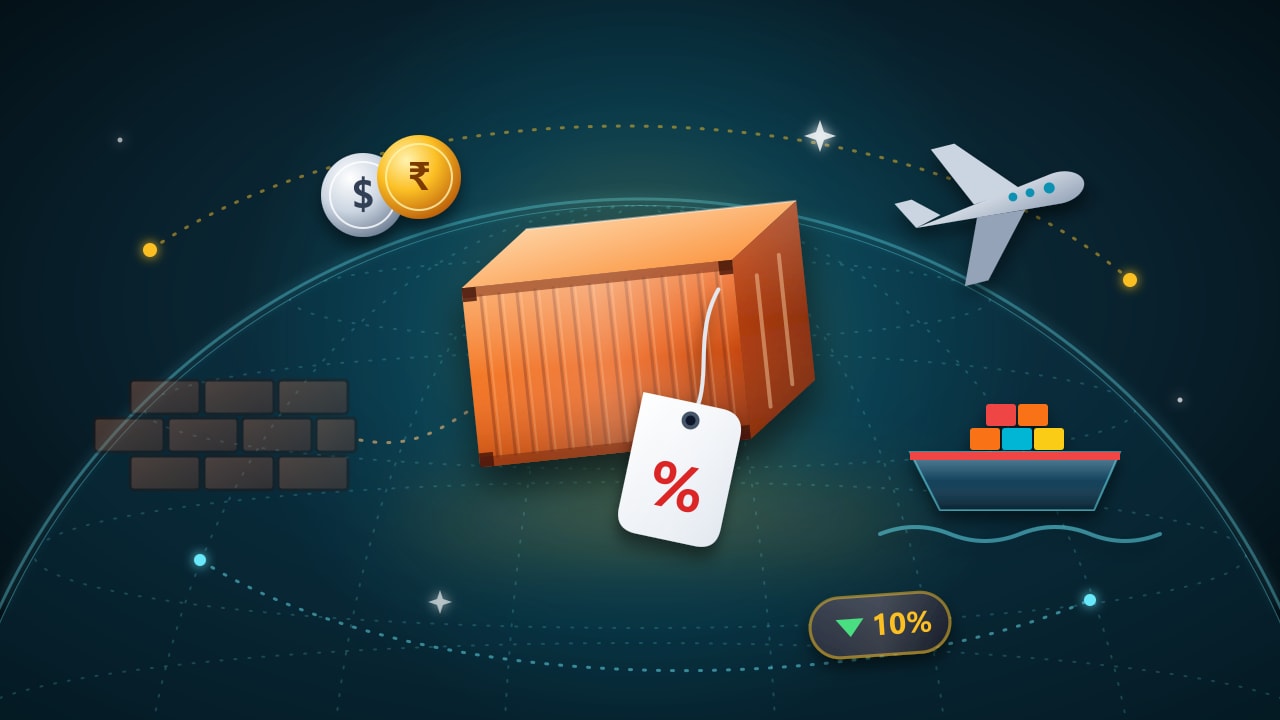
A tariff is a tax a country puts on imported goods. Protectionism is the policy of using tariffs and other barriers to shield domestic producers from foreign competition. Globalisation is the opposite approach, where goods, money and services cross borders with few barriers. The topic asks which approach serves India better, now that its biggest export market has raised tariffs sharply.
It is in the news because US tariffs on Indian goods rose to 50% in August 2025, and have since changed several times. As of 1 October 2026, Indian goods that are not exempt face an extra 10% US tariff under a new legal basis. India and the US are still negotiating a trade agreement.
Background
The United States put a 25% tariff on Indian goods from 7 August 2025. A further 25% followed on 27 August, as a penalty for India buying Russian oil, which brought the total to 50%. India Briefing reported that about US$48.2 billion of Indian exports faced the extra tariffs, while pharmaceuticals, electronics and petroleum products were exempt. A GTRI analysis of Commerce Ministry data found that exports to the US fell 28.5% between May and October 2025.
On 6 February 2026, the two governments announced a framework for an interim deal. The US said it would apply an 18% rate and drop the Russian-oil penalty. India said it intended to buy over US$500 billion of US energy, technology and other products. It kept dairy, rice, millets and pulses protected.
Then the legal ground moved. On 20 February 2026, the US Supreme Court struck down the tariffs that had been imposed under an emergency law, the IEEPA. The White House replaced them with a 10% surcharge on all imports under another law, Section 122, which could last only 150 days. It expired on 24 July 2026 and was replaced the same day by a 10% tariff on India under Section 301, an investigation into forced-labour import rules.
The trade data shows a mixed result. Outlook Business reported Commerce Ministry data that puts India's exports to the US in 2025-26 at US$87.31 billion, up 0.9%. Imports from the US rose 17.16% to US$53.45 billion, so India's surplus with the US fell from US$40.9 billion to US$33.9 billion. India has also looked elsewhere: its trade agreement with the UK came into force on 15 July 2026, and the EU agreement was concluded on 27 January 2026. The widget below lets you step through the tariff rates and test who pays.
Points in favour
These points support protectionism.
- It protects domestic jobs and firms. A tariff makes imports costlier, so local producers can compete while they grow. India's own negotiating position shows this: it kept dairy, rice, millets and pulses protected in the February 2026 framework.
- It reduces dependence on one market. About one-fifth of India's goods exports go to the US, so a tariff there is felt widely. Supporters say a country that sells to many buyers and makes more at home is less exposed to another country's decisions.
- It gives bargaining power. Tariffs are a bargaining tool. The February 2026 framework came after the 50% tariff, and in it India agreed to buy more US goods and to open some of its farm market.
- It protects strategic sectors. Steel, defence supplies and energy are goods that a government may not want to depend on imports for. The US itself keeps separate 50% duties on steel and aluminium and 25% on cars.
- Opening up has a price at home. Under the February 2026 framework, India opened limited access to US farm goods such as soybean oil and red sorghum for animal feed, while protecting dairy and rice. Supporters of protection say each such opening has to be weighed against farm incomes.
Points against
These points support open trade, or globalisation.
- Tariffs raise costs. The importer pays the tariff first. If the exporter cannot cut its price, the buyer pays more. If it does cut the price, the exporter's margin shrinks. The widget lets you test both.
- Exporters and workers lose. Labour-intensive sectors such as textiles, gems and seafood were among those exposed to the 50% rate. The GTRI analysis found exports to the US fell 28.5% in five months.
- It creates uncertainty. The US tariffs changed legal basis twice in five months, from IEEPA to Section 122 in February 2026 and then to Section 301 in July. A firm cannot plan orders or investment when a court ruling can change the rate.
- Open trade has paid off for India. The Department of Commerce says India's total exports of goods and services reached a record US$863.11 billion in 2025-26, up from US$825.26 billion. Services exports, at US$421.32 billion, are not charged tariffs at the border.
- Agreements spread the risk. The UK agreement and the EU agreement give Indian exporters other markets. Supporters of open trade say this is a better answer to a tariff than building one's own walls.
Opening the discussion
You can open with a definition. "Before we choose a side, let us agree that a tariff is a tax paid by the importer. The question is who ends up bearing it." This works when the group is arguing in slogans.
You can open with a fact. "India's exports to the US were US$87 billion in 2025-26, almost flat. Our surplus with the US fell from US$40.9 billion to US$33.9 billion." This works because it shows both sides at once: exports held up, but the gain narrowed.
You can open with a question. "The US tariff is now 10%, down from 50%. Is the problem solved, or only paused by a change in law?" This works when you want the group to see that the rate is not settled.
Concluding the discussion
A good conclusion avoids picking a camp. Protection and openness are two ends of a range, so say where you would draw the line and why.
"We heard that tariffs can protect jobs and strategic sectors, and that they raise costs and uncertainty for exporters. India's exports to the US held steady last year, while the surplus narrowed. So India does best by protecting a few sensitive sectors, as it did for dairy and pulses. It should also widen its markets through the UK, EU and other agreements."
Facts worth quoting
| Fact | Figure | Source and year |
|---|---|---|
| US tariff on Indian goods, peak | 50% from 27 August 2025 | US executive orders, 2025 |
| Fall in India's exports to the US, May to October 2025 | 28.5% | GTRI analysis of Commerce Ministry data, 2025 |
| Framework announced | 6 February 2026, 18% rate proposed | US-India joint statement, 2026 |
| Supreme Court ruling on IEEPA tariffs | 20 February 2026 | US Supreme Court, 2026 |
| Current extra US tariff on non-exempt Indian goods | 10% under Section 301, from 24 July 2026 | USTR, as of October 2026 |
| India's exports to the US | US$87.31 billion, up 0.9% | Commerce Ministry, 2025-26 |
| India's surplus with the US | US$33.9 billion, from US$40.9 billion | Commerce Ministry, 2025-26 |
| India's total exports | US$863.11 billion | Department of Commerce, 2025-26 |
Mistakes to avoid
- Quoting an old rate. The 50% tariff ended in February 2026. Say which date you mean, because the rate was 50%, 25% and 10% at different times.
- Saying the 18% deal is in force. The February 2026 framework announced 18%, but no signed interim agreement had been published as of September 2026. Call it a framework.
- Taking a side on a government. A GD is about policy and data. Describe what each country did and what it cost, and leave out praise or blame for any leader.
- Treating tariffs as paid by the exporter. The importer pays the tax at the border. Who bears the cost in the end depends on prices, so say "depends".
Practise group discussion
Reading won't make you fluent. Book a group discussion and practise speaking in a group. You will get a detailed feedback report after the session.
Book a group discussion